Wind Voyage

Wingsail Explorer Yachts

Scroll

The Wind Voyage Range

Three yachts, one ocean

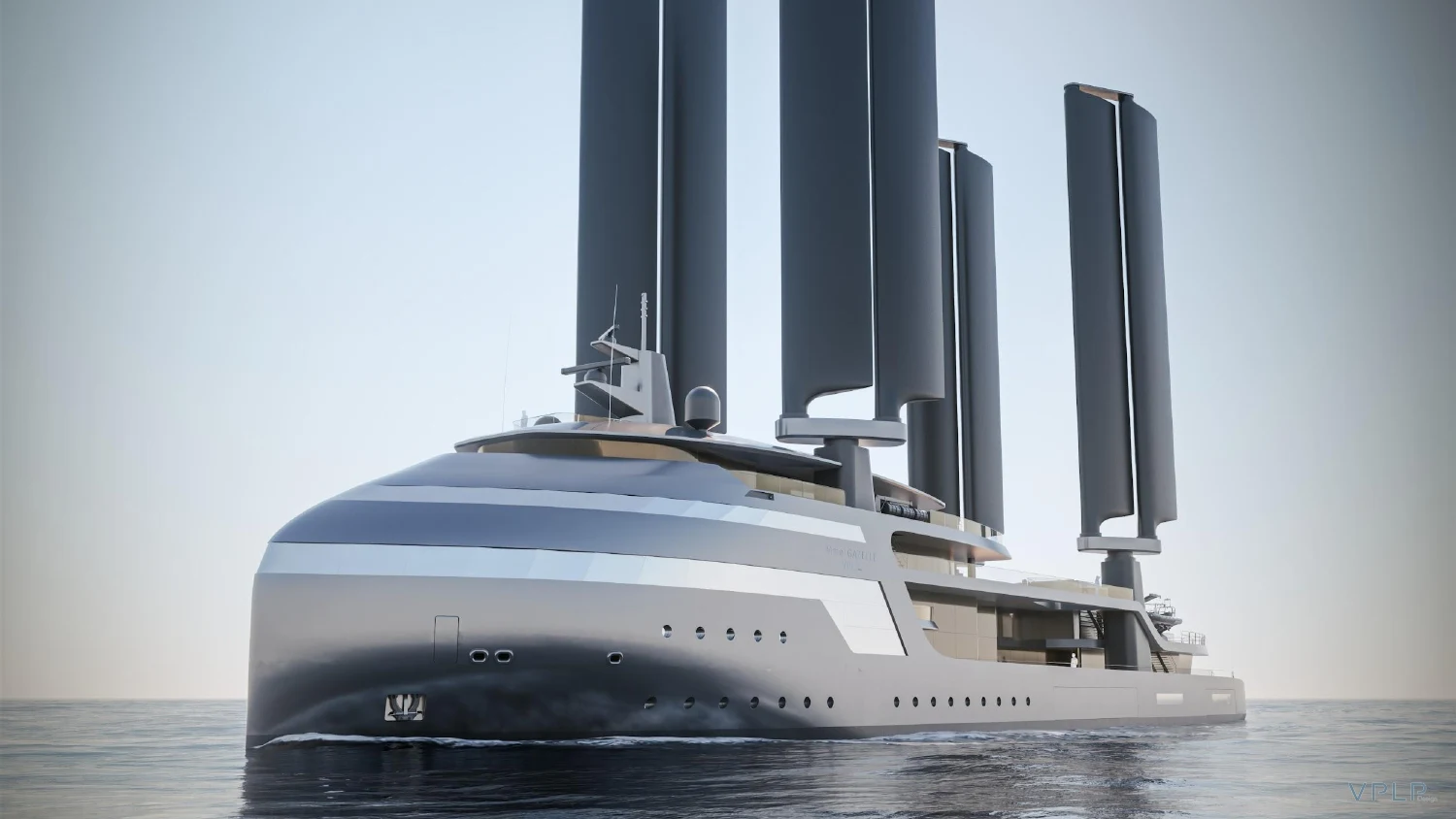
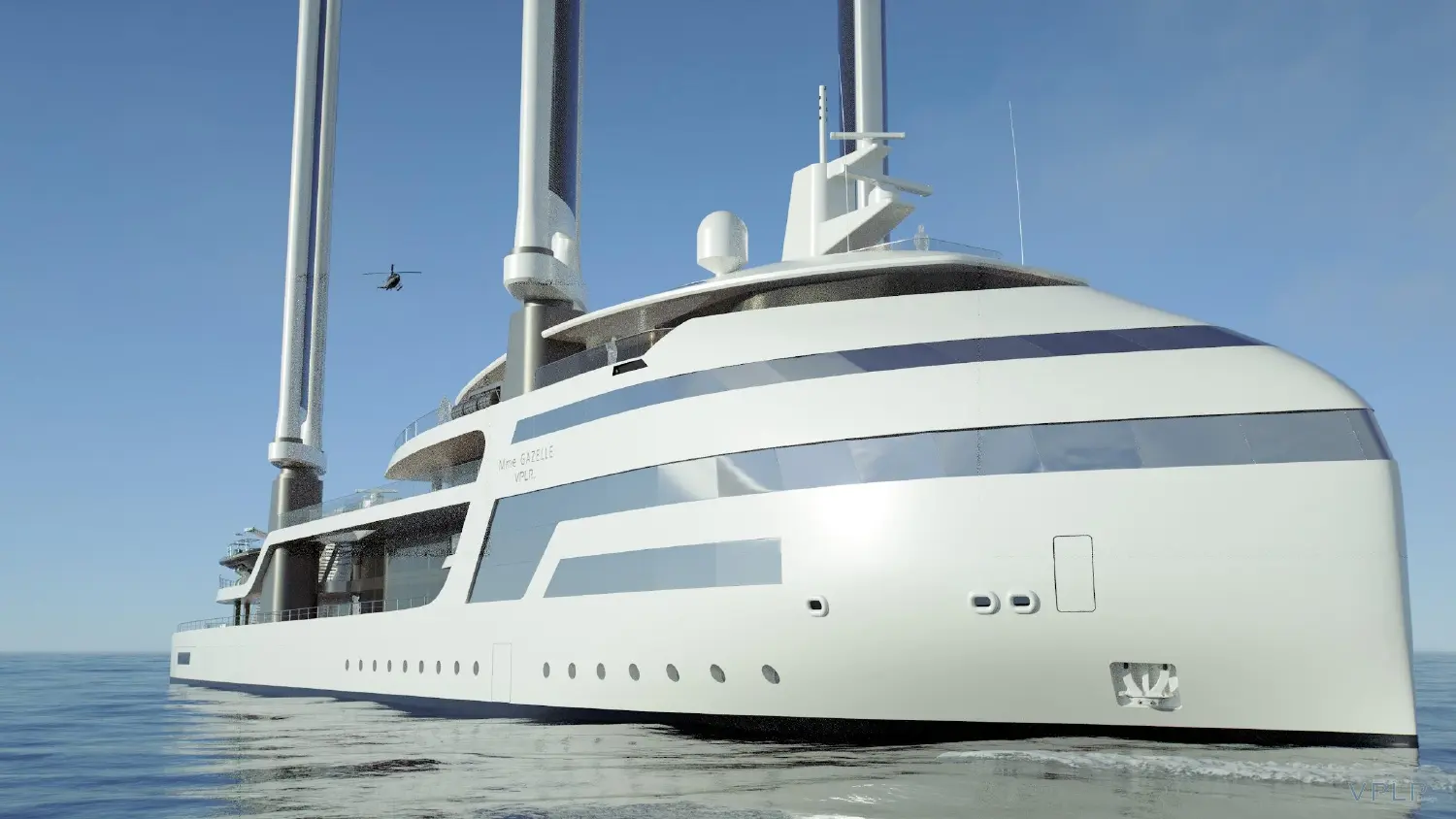
The Wind Voyage range is a family of wingsail-powered explorer yachts designed by VPLP Design — the studio behind some of the world's most advanced sailing craft. Each yacht shares the same DNA: Oceanwings® primary propulsion, diesel-electric hybrid architecture, ice-capable hull, and the autonomy to reach the planet's most remote anchorages.

The range begins with the 89-metre — agile, intimate, and built for a single owner's family — and culminates in the 106-metre flagship, a charter-ready expedition platform with more accommodation and four Oceanwings®. A dedicated yacht support vessel completes the range, carrying the helicopters, tenders, submersibles, and expedition gear that make true global cruising possible.

Together, they are designed to take you anywhere on earth — from the trade winds to the ice edge — at a fraction of the fuel and emissions of any conventional yacht of equivalent capability.
The Wind Voyage Range

Built for the full breadth of the world's oceans

Each yacht in the Wind Voyage range is engineered for unrestricted, low-emission ocean travel — built for real exploration, in the most remote waters on the planet.

Wind Voyage MG89 — 89m wingsail explorer yacht EXPLORER

Wind Voyage 89

89m wingsail explorer

An intimate, family-scaled wingsail explorer designed for luxurious ocean living. Forward observation lounge, double-height atrium, and a dedicated owner's office at the stern — the entire interior shaped around a single family's life at sea, with three Oceanwings® delivering primary propulsion across global routes.

89m
Length
3
Oceanwings
8,000 nm
Range
Discover the 89 →
Wind Voyage MG106 — 106m wingsail explorer yacht Flagship

Wind Voyage 106

106m wingsail explorer

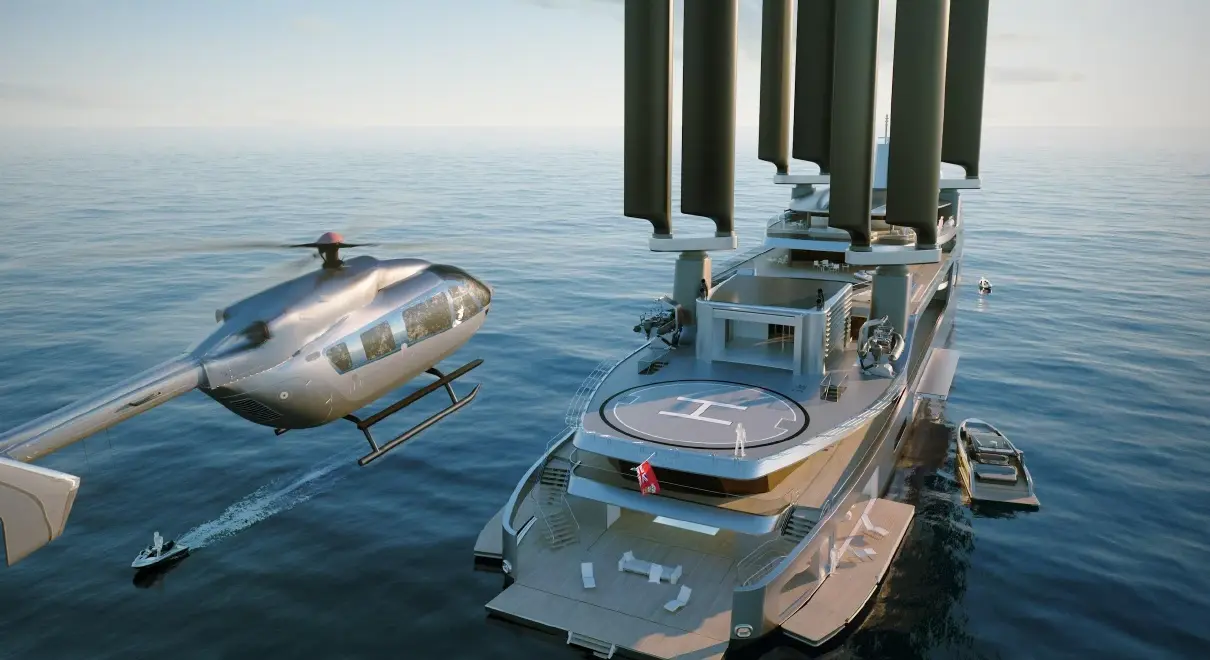
The flagship of the Wind Voyage range. Four Oceanwings®, panoramic forward observation deck, certified helideck, and a beach club opening at water level. Built to charter-grade Passenger Yacht Code standards with accommodation for up to 36 guests across long-range expedition itineraries — from the Antarctic Peninsula to the Pacific.

106m
Length
4
Oceanwings
36
Guests
Discover the 106 →
Wind Voyage Yacht Support — expedition support vessel YACHT SUPPORT

Wind Voyage YACHT SUPPORT

Dedicated expedition support vessel

A purpose-built shadow vessel that extends the reach of the mothership. Carries dual helicopters, expedition tenders, submersible and dive operations, additional guest, and the workshop capacity for true off-grid voyaging. Designed to keep the main yacht clear of toys and gear, allowing each vessel to do what it does best.

2
Helicopters
Subs
Capable
8,000 nm
Range
DISCOVER YACHT SUPPORT →

Technology

Cross oceans on wind, not fuel

Every Wind Voyage yacht is built around a single idea: that wind, sun, and intelligent engineering can do most of the work that fossil fuel does on a conventional yacht. Below, the ten systems that make it possible.

01

Oceanwings®

Two-element rigid wingsails developed by VPLP and ocean-proven aboard the cargo vessel Canopée. Each wing is fully automated, can rotate through 360 degrees, adjust camber on demand, and reef itself in excessive wind. The result is primary propulsion that delivers thrust on most points of sail and shuts down safely when the weather turns.

02

Hydrogeneration

When the yacht is moving under sail, the propellers turn freely and the propulsion motors operate in reverse — generating electricity from the water flowing past the hull. Above eight knots, hydrogeneration alone covers the full hotel load, allowing days at sea with the generators silent.

03

Integrated Solar

Photovoltaic cells are integrated directly into the deck surfaces and into both sides of each Oceanwing® — turning surfaces that already exist into productive collectors. In tropical anchorages, solar contribution can offset some of the yacht's daytime hotel load.

04

Hybrid Diesel-Electric

A diesel-electric power plant feeds a common DC bus shared by propulsion, hotel loads, and the energy storage system. Generators run only at their most efficient load points, and at low speeds or in port the yacht can operate on batteries alone — silent, vibration-free, and emissions-free at the dock.

05

Energy Management

A central energy-management system continuously balances production from wings, solar, hydrogeneration, generators, and batteries against propulsion demand and hotel loads. The result: the cleanest available source is always doing the work, and the diesel runs only when nothing else can keep up.

06

Thermal Balance

Advanced insulation in the superstructure and hull keeps interior temperatures stable in tropical heat and polar cold, dramatically reducing the load on HVAC. The air-conditioning system runs from the battery bank, allowing the generators to remain off through the night without compromising guest comfort.

07

Heat Recovery

Waste heat from the generators, the propulsion motors, and the air-conditioning condensers is captured and redirected — preheating the boiler water, supporting under-floor heating in cold-water cruising, and warming the spa pool. A stream that would otherwise be lost to the sea becomes a second source of useful energy.

08

Water Management

High-efficiency watermakers, an advanced purification system, and rainwater capture together eliminate any practical limit on fresh water aboard. Boiler water is preheated by the heat recovery system from the generators and by surplus solar energy.

09

Graphene Batteries

The yacht's energy storage uses graphene batteries — significantly higher energy density, faster charge and discharge rates, and a longer service life than conventional lithium batteries. The result is a bank that supports the full hotel load through the night and recharges in a single afternoon of solar and hydrogeneration.

10

Hull Optimisation

Naval architecture by VPLP, refined through tank testing at MARIN in the Netherlands and extensive CFD simulation. The hull form is shaped for low resistance under sail and under power, with appendages and propulsion units placed to minimise drag whenever the wings are doing the work.

Where Wind Voyage Takes You

To the edges of the earth

Twelve of the most remarkable destinations on the planet — each chosen because the Wind Voyage range is uniquely capable of reaching them quietly, cleanly, and with the autonomy to stay as long as the journey demands.

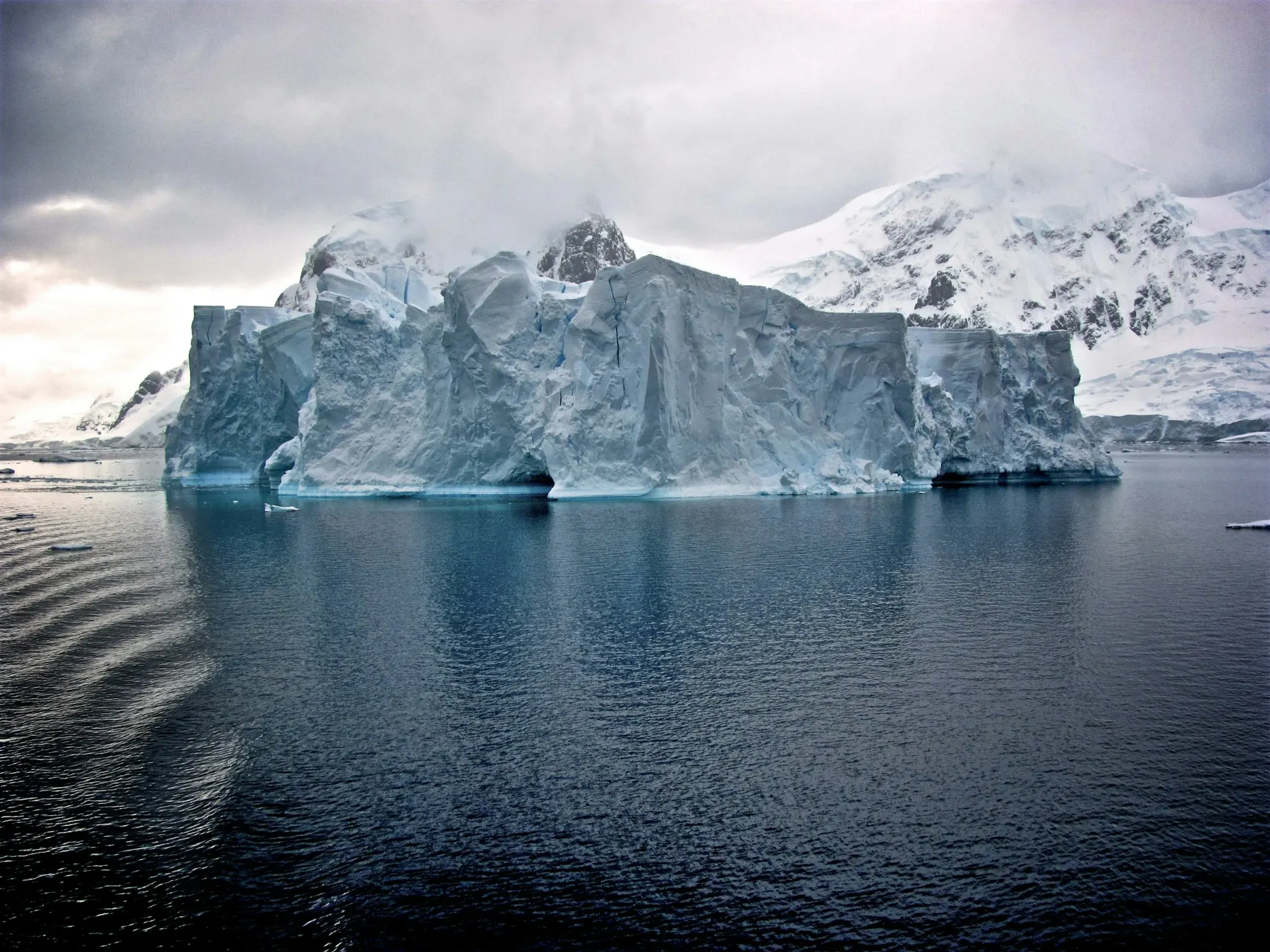
Antarctica — icebergs and glacier coastline, photo by Jay Ruzesky on Unsplash

The Far South

Antarctica

The white continent rewards visitors of every age and ability — kayaking among bergs in the long evening light, hiking glacial valleys, ski descents from summit to sea, and the historic harbours of the heroic age. There is no destination on earth more singular than the Antarctic Peninsula.

Explore Antarctica →
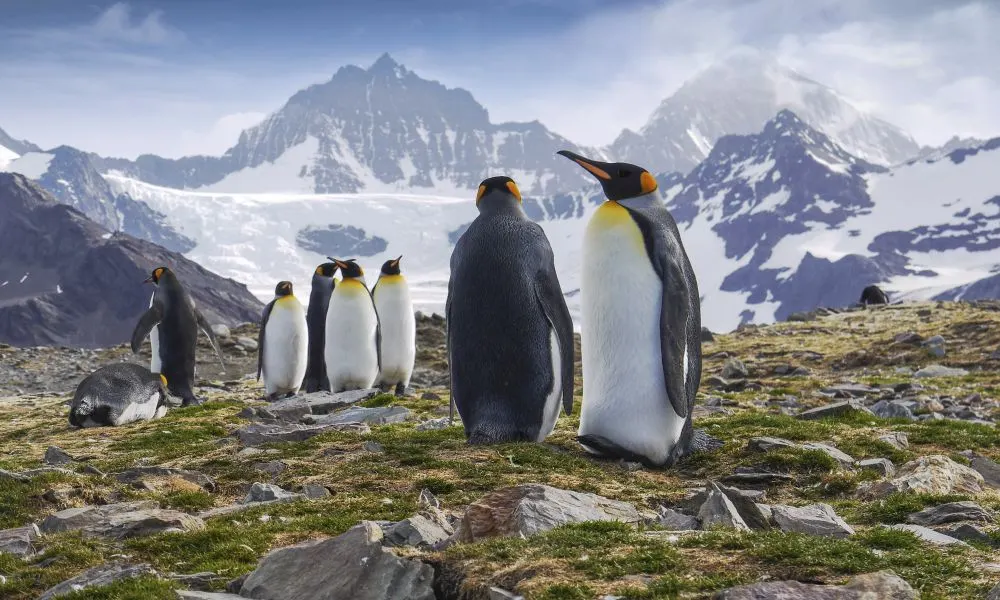
South Georgia — king penguins on the tundra with snow-capped mountains behind

Sub-Antarctic Atlantic

South Georgia & the Falklands

Often called the Serengeti of the Southern Ocean — vast colonies of king penguins, beaches alive with elephant and fur seals, and the resting place of Sir Ernest Shackleton. Wild, biologically extraordinary, and reached only by serious ocean-going vessels.

Explore South Georgia →
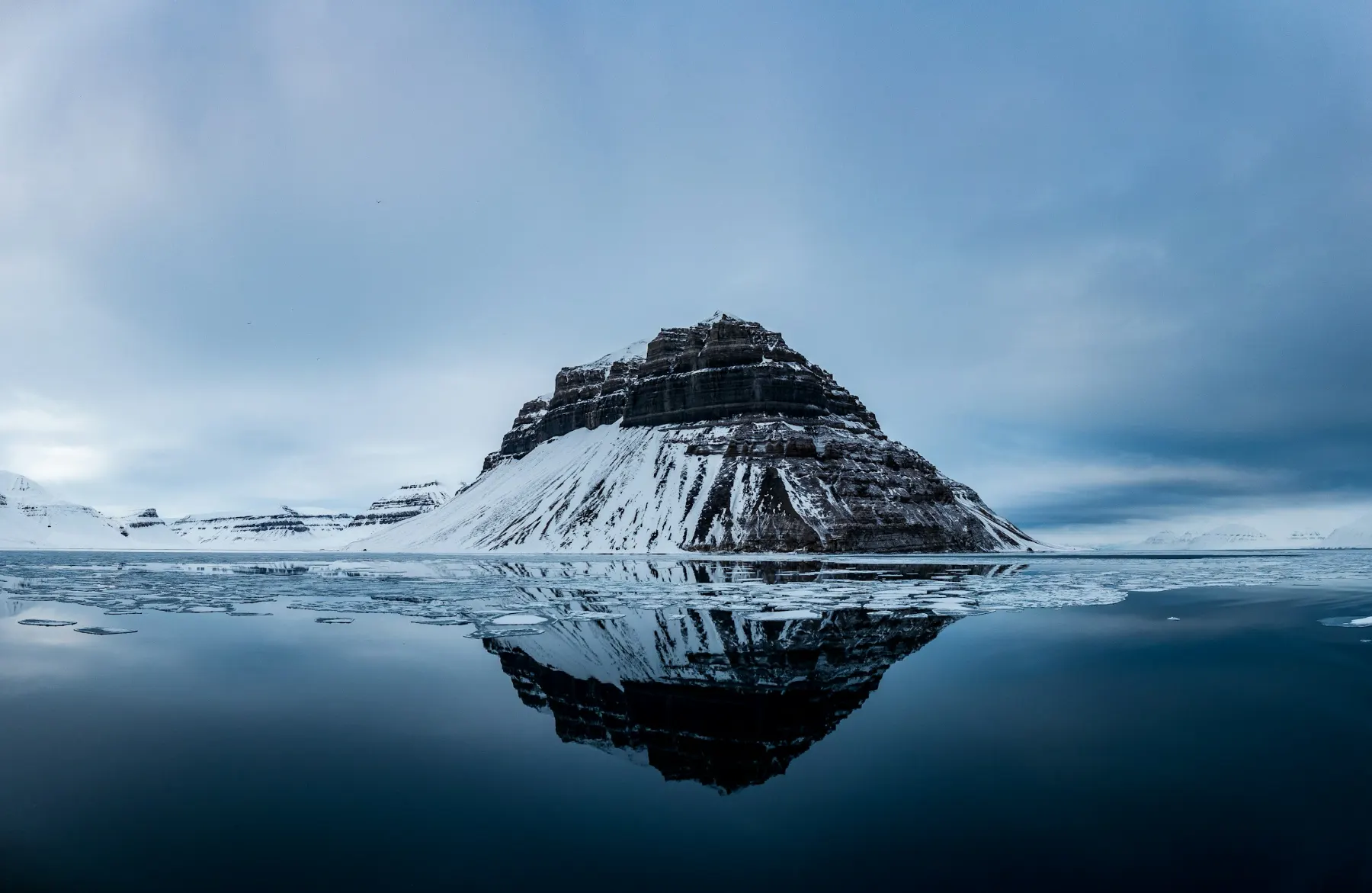
Svalbard — melting sea ice at Billefjorden, Arctic landscape

High Arctic

Svalbard

A compact archipelago that compresses the entire Arctic into one cruising ground — glacier-cut peaks, weathered tundra, and the slow advance of sea ice. Every bay holds a chance encounter: walrus, reindeer, arctic fox, nesting seabirds, and the polar bear, the phantom of the ice.

Explore Svalbard →
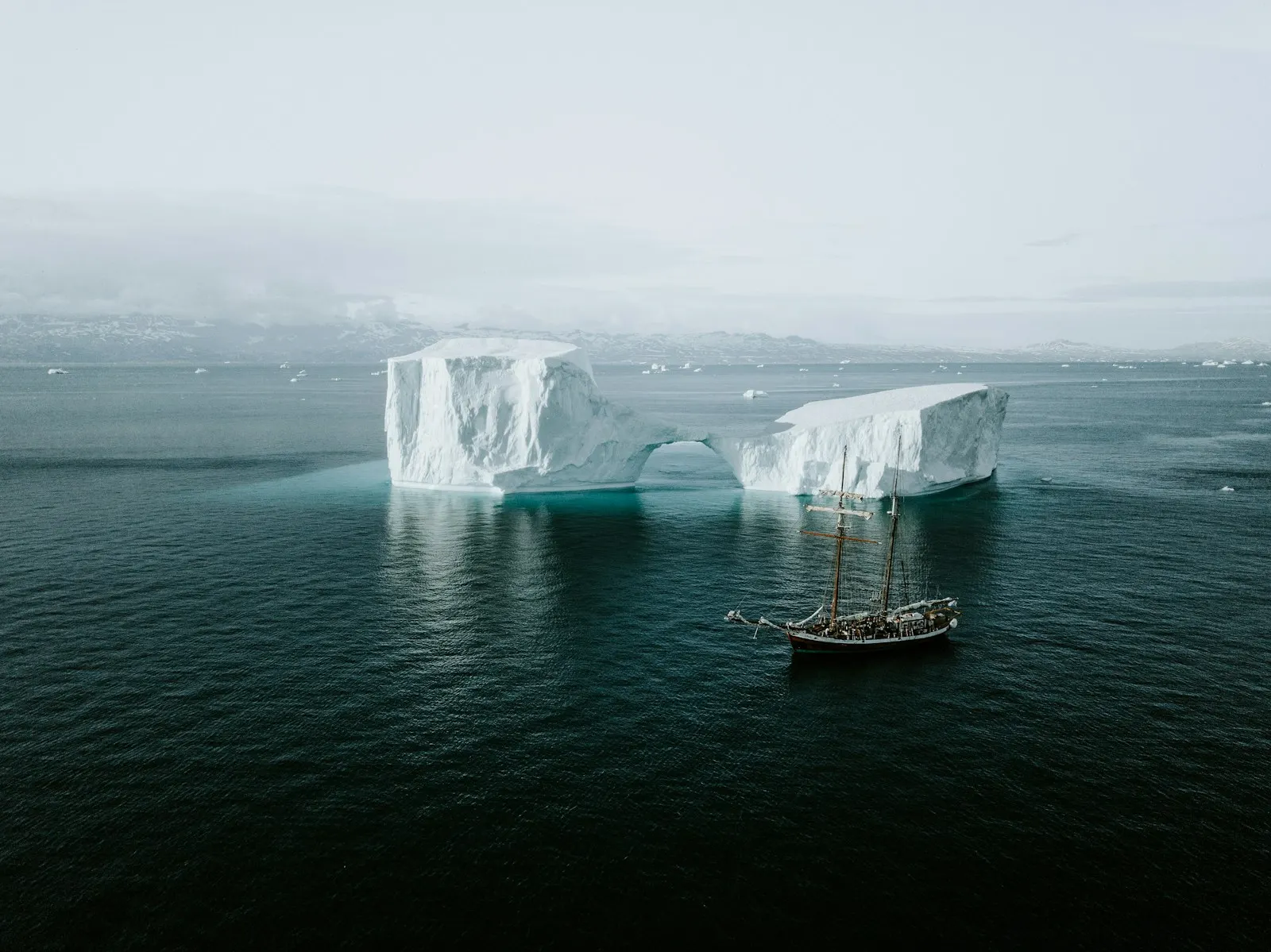
Northwest Passage — schooner sailing past an iceberg in the Arctic

Arctic Canada

Northwest Passage & Arctic Canada

One of the most legendary waterways in the world. Fewer than three hundred vessels have completed the full transit — a navigation that demands the autonomy, ice-capability, and weather window only a true expedition platform can provide.

Explore the Passage →
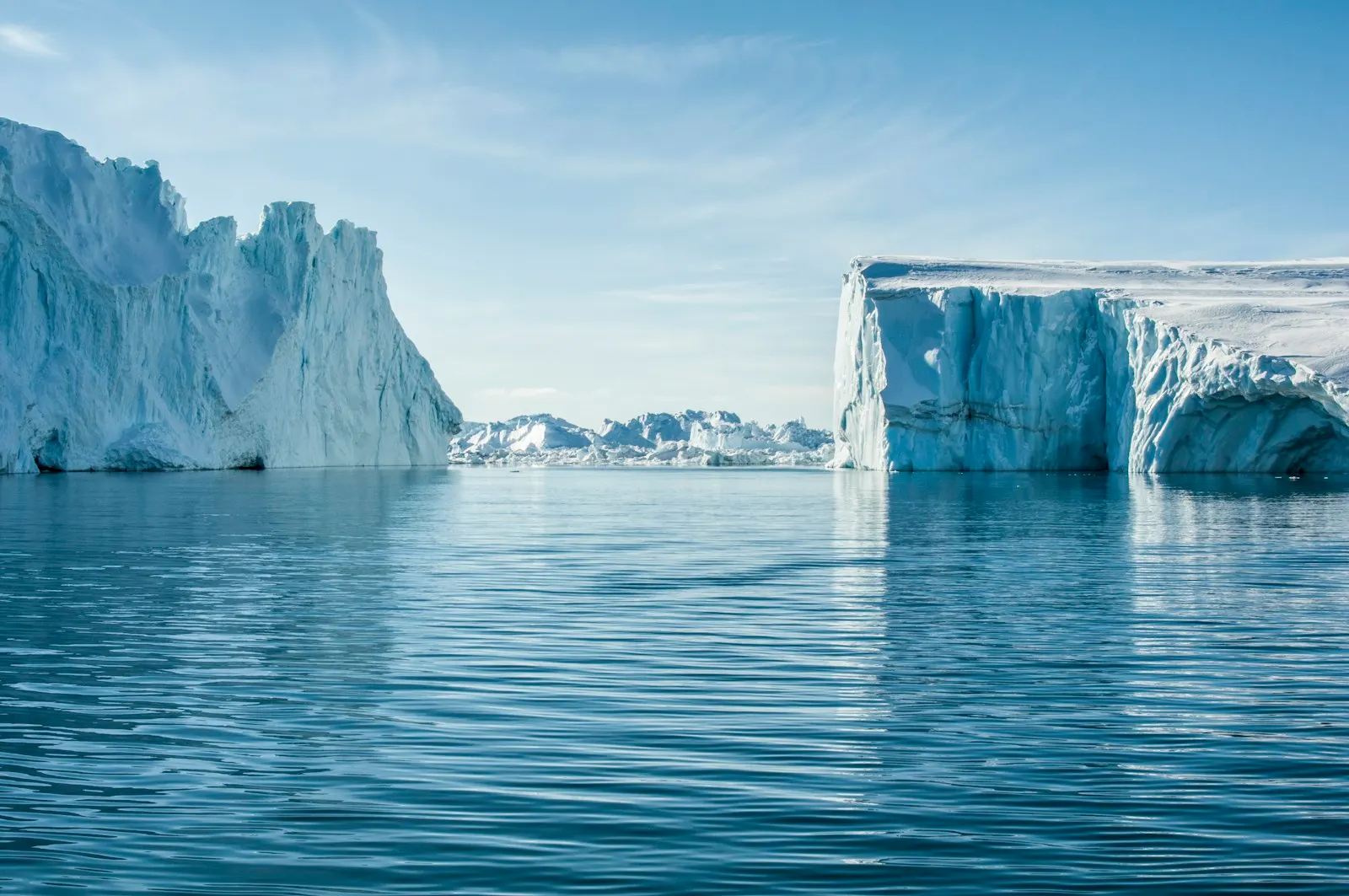
Greenland — icebergs in Ilulissat Icefjord under blue sky

North Atlantic

Greenland

A landscape carved by Ice Age glaciers, mostly inside the Arctic Circle. Sled dogs, kayaks, vast icebergs and small painted settlements — and in spring, some of the finest heli-ski terrain on earth, all reached from a quiet anchorage just offshore.

Explore Greenland →
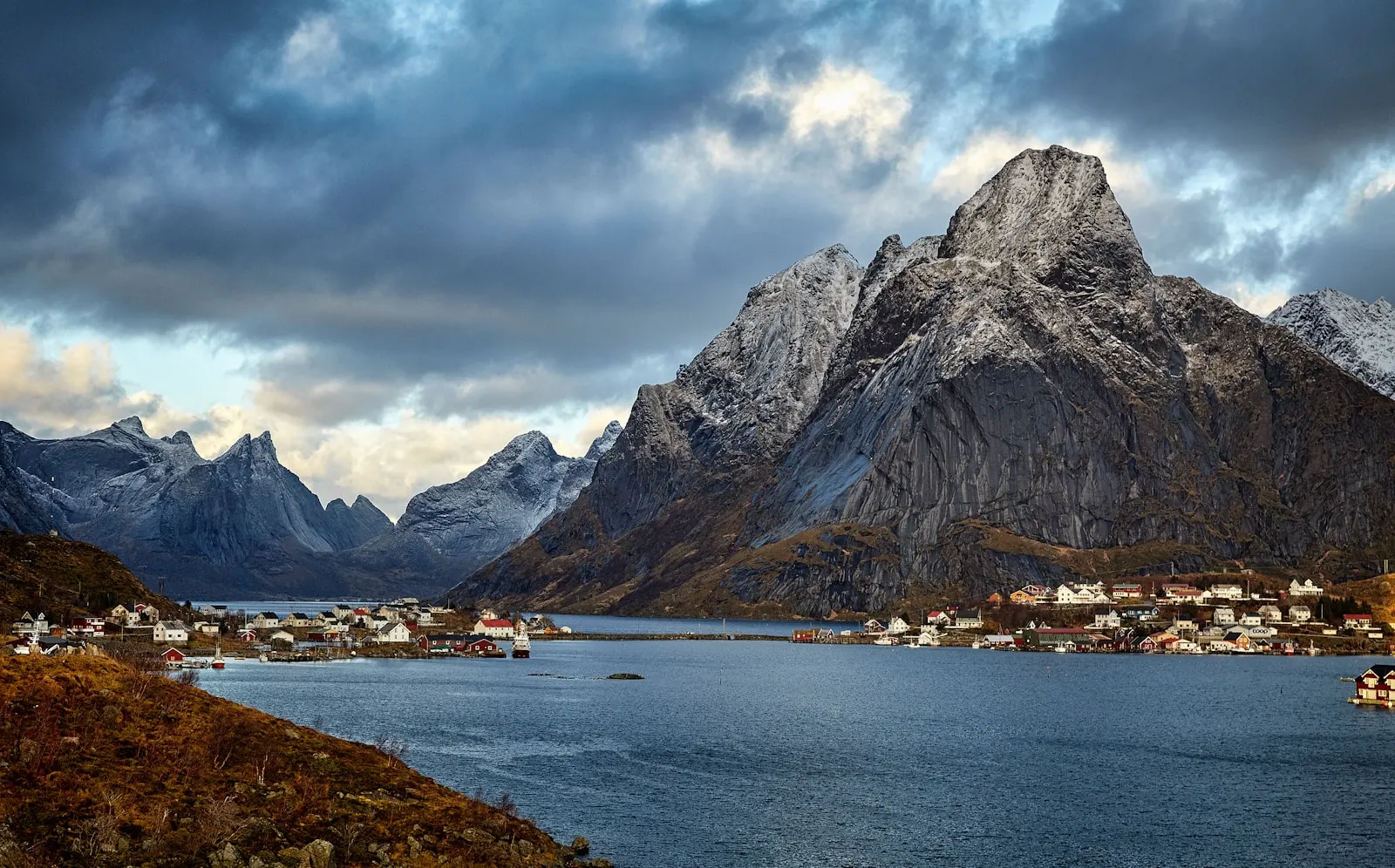
Norwegian Fjords — Reine, Lofoten with mountains and sea

Northern Europe

Norwegian Fjords & Lofoten

A coastline of narrow fjords, secluded inlets, and the sharp granite peaks of Lofoten. From the southern Norwegian coast all the way to the Arctic Circle, an itinerary unfolds at the slow pace the geography demands — and which a wingsail vessel handles in near-silence.

Explore Norway →
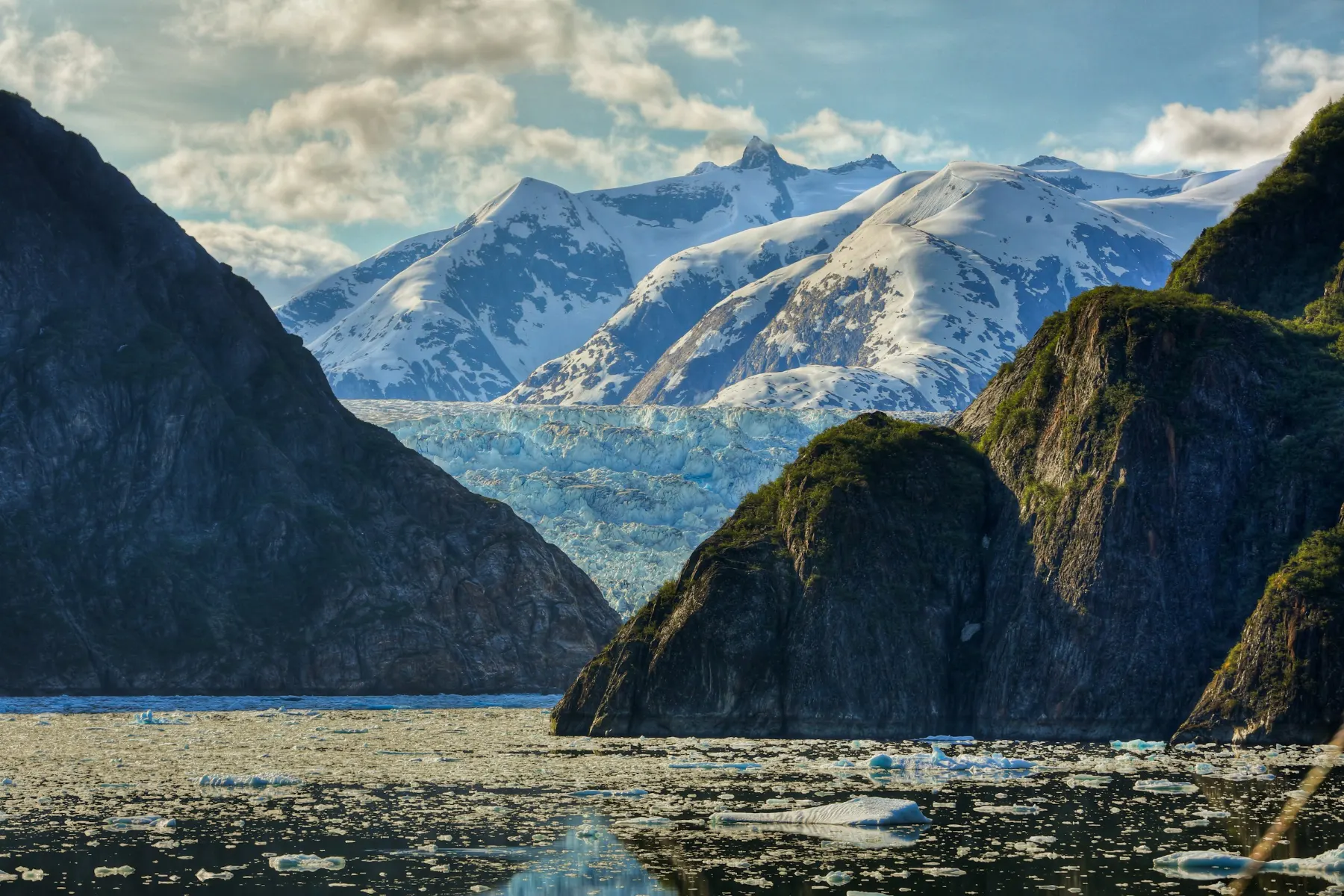
Tracy Arm Fjord and Sawyer Glacier, Southeast Alaska — photo by John Cobb on Unsplash

North Pacific

Southeast Alaska

Pristine fjords, towering tidewater glaciers, temperate rainforest, and a coastline best explored by tender and kayak. A rare chance to slip into the small inlets and side bays where the wildlife — humpbacks, brown bears, sea otters — lives largely undisturbed.

Explore Alaska →
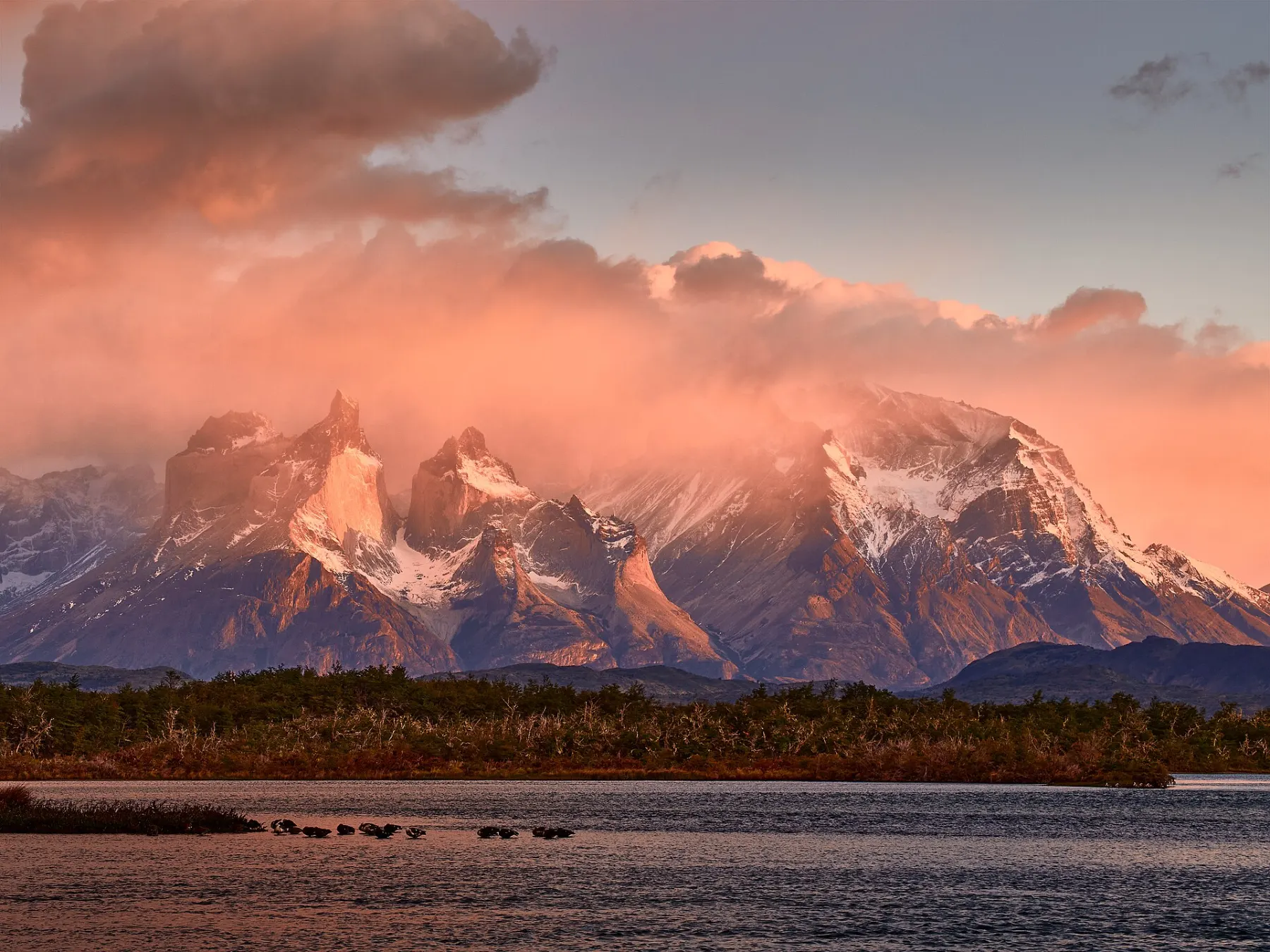
Chilean Patagonia — Cuernos del Paine granite spires at sunset, Torres del Paine National Park

Southern Cone

Chilean Patagonia

An eight-hundred-mile passage through one of the least-visited cruising grounds on the planet — fractured fjords, granite spires, glaciers calving directly into the sea, and a wind-carved temperate rainforest stretching almost unbroken to the southern tip of the Americas.

Explore Patagonia →
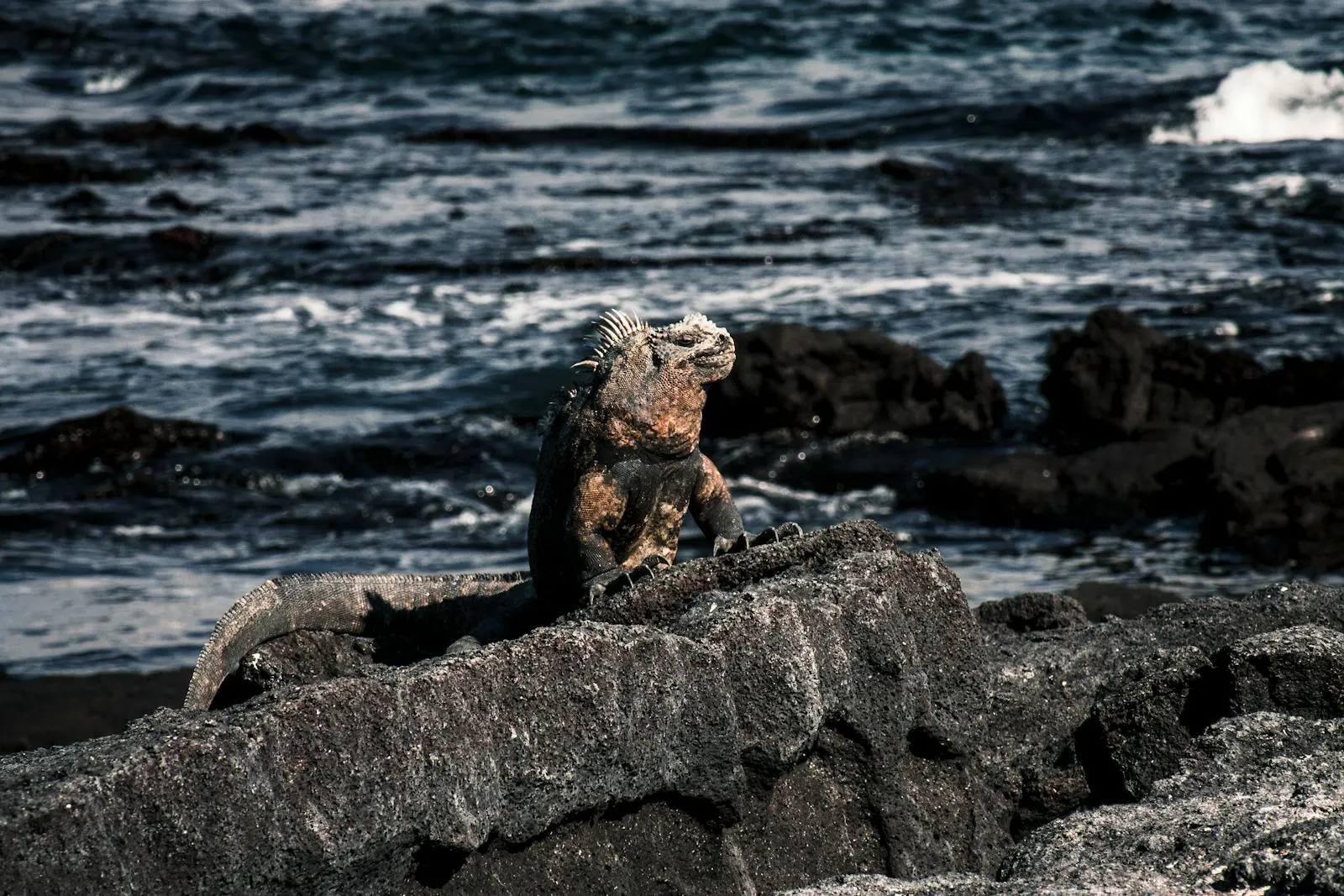
Galápagos marine iguana on volcanic rock by the Pacific — photo by Lloyd Douglas on Pexels

Equatorial Pacific

Galápagos

The archipelago that shaped Darwin's understanding of evolution. An isolated Pacific kingdom of marine iguanas, giant tortoises, blue-footed boobies, and species so unaccustomed to human presence that close encounters happen everywhere ashore and underwater.

Explore the Galápagos →
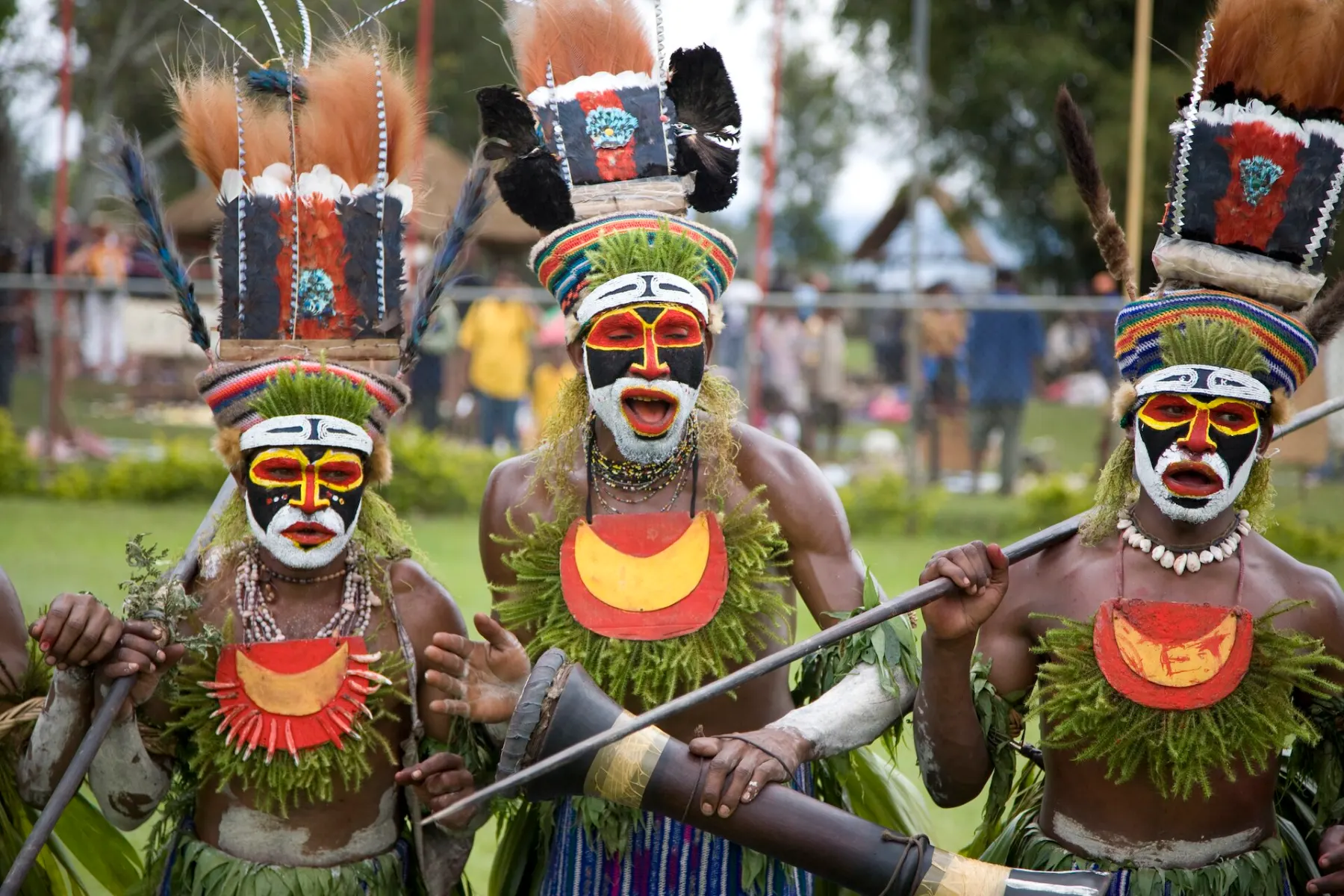
Papua New Guinea — Goroka Show sing-sing performers in ceremonial face paint and feather headdresses

Western Pacific

Papua New Guinea

The most culturally diverse nation on earth — five thousand clans speaking more than 850 languages — paired with reefs and trenches that hold a striking share of the planet's marine life. A destination as much about ceremony and encounter as about the sea itself.

Explore PNG →
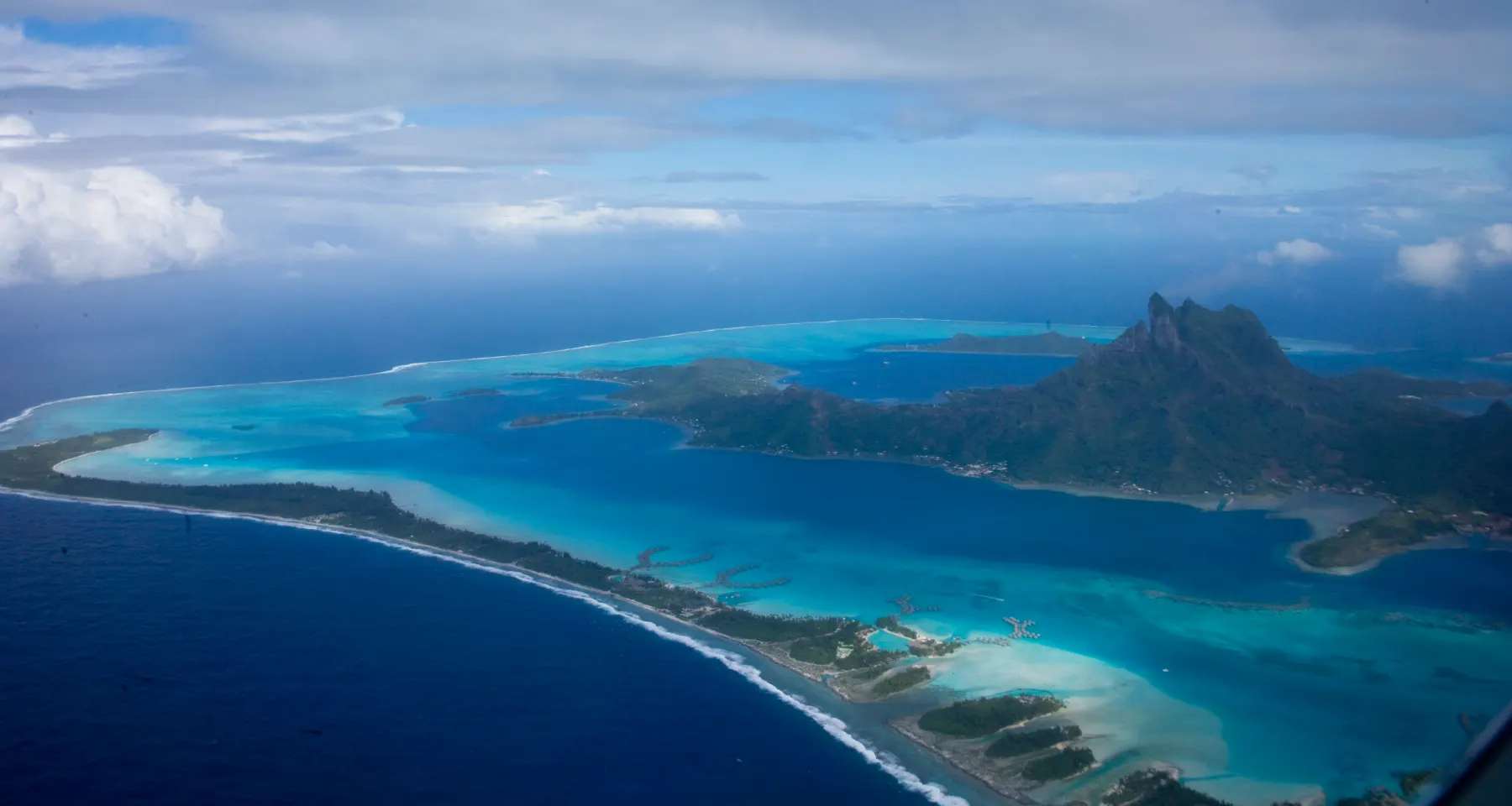
Aerial view of Bora Bora's lagoon and Mount Otemanu — French Polynesia

Central Pacific

French Polynesia

More than a hundred islands and atolls scattered across the South Pacific like a string of pearls. Volcanic peaks, glassy lagoons, and the steady trade winds — exactly the conditions wingsail propulsion was made for, with weeks of sailing between bunkers entirely possible.

Explore French Polynesia →
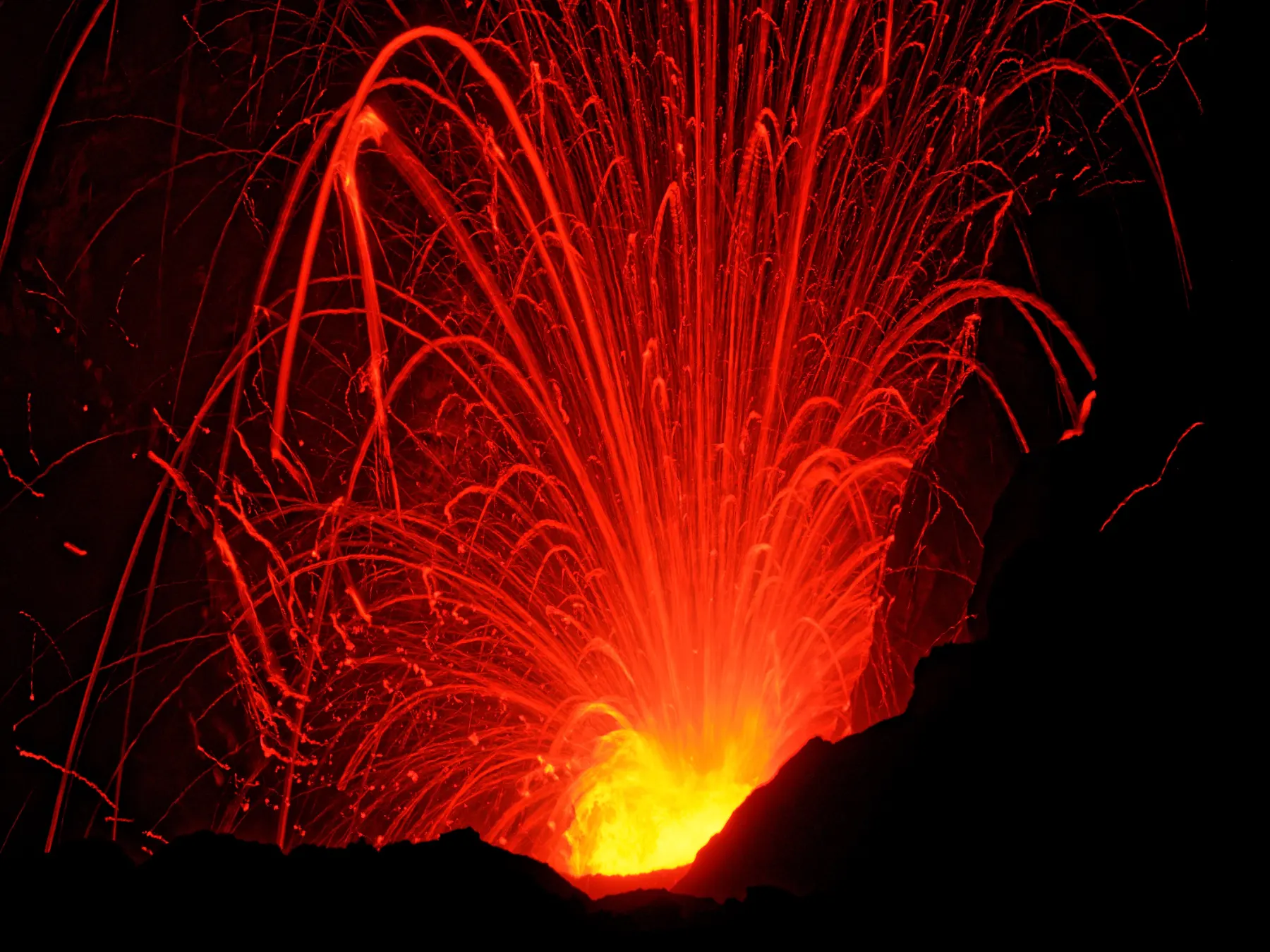
Lava trails erupting from Mount Yasur volcano, Tanna Island — Vanuatu

Melanesia

Vanuatu & the Solomons

Far off the standard cruising circuit. Active volcanoes, world-class diving, and welcoming island communities — the kind of destination that rewards a vessel willing to stay for weeks rather than pass through, exactly the autonomy the Wind Voyage range provides.

Explore Vanuatu & the Solomons →

Exterior & Naval Architecture

VPLP Design

Begin your voyage

Wind Voyage is available for private ownership. Contact our team to receive the full project presentation and specification package.